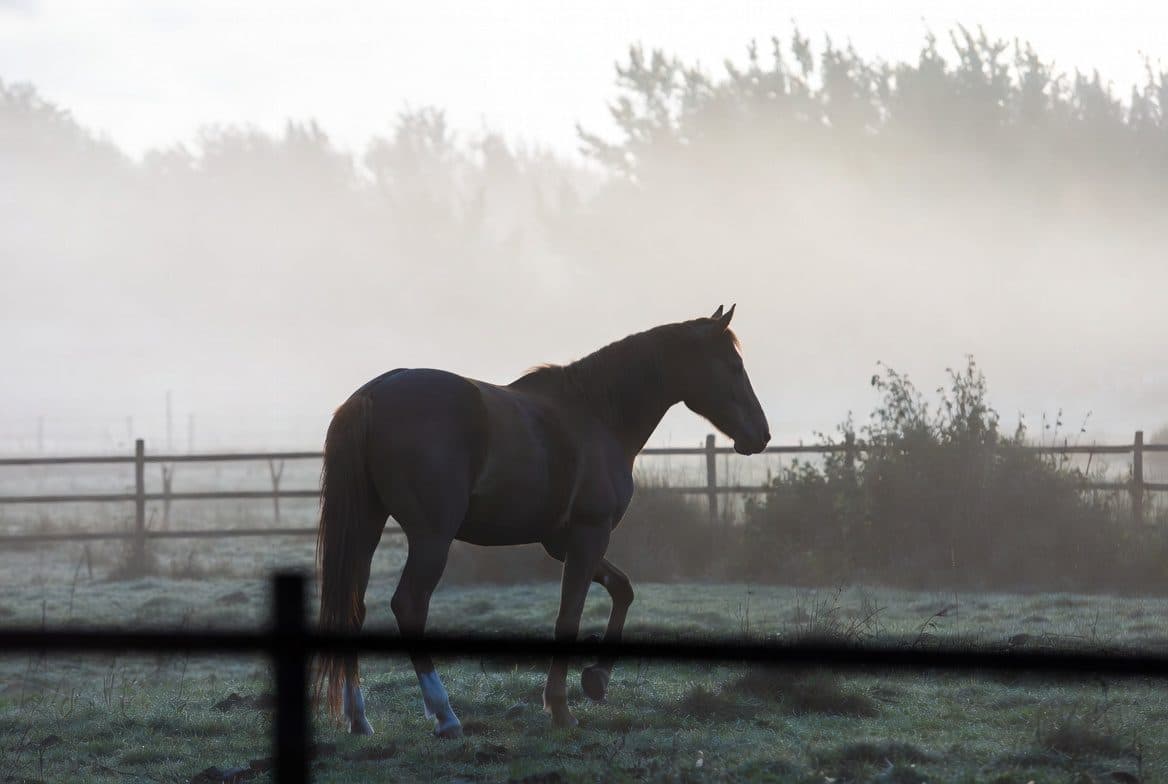
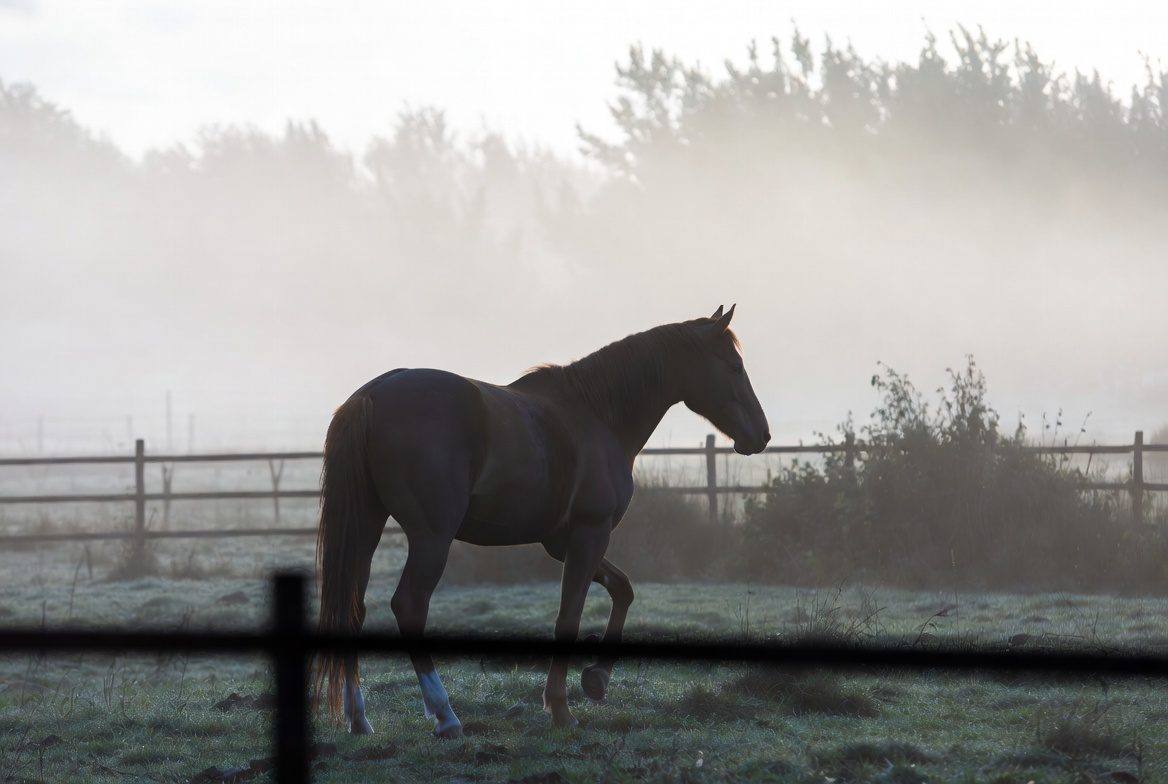
Large-animal aftercare near Austin (Coastal region, Greater Austin) fails on capacity and transport long before it fails on urn selection.
Even around larger Austin, equine/livestock chambers are scarce relative to companion-pet ads. Verify weight ceiling, trailer access across coastal region terrain, and whether the equine-rated crematory is on-site or a partner transfer.
Austin functions as a secondary metro for Texas (~964,000 residents, rank #4 of 276 in this dataset). Families here more often have clinic-coordinated and dedicated-facility options within the metro — still verify the physical crematory address and tracking method.
Smaller in-state communities such as Fort Worth (~918,000) often route toward Austin. That does not mean every Austin quote automatically includes free pickup at every suburban ZIP — ask for a written radius.
Nearest useful metro by distance (not state population rank): San Antonio (~118 km). Compare that radius against Houston before you accept a long-haul fee.
Second metro alternative: Houston (~235 km). Asking both keeps “local” marketing honest.
Seasonal timing near Austin: June-centered heat stress (Humid Subtropical) is when refrigerated holding and same-routed-day pickup matter most. Outdoor ceremonies should avoid midday. Seasonal road risk also applies on the ~118 km path toward San Antonio.
Drive-time band “regional”: Austin is ~118 km (~1.5 hr) from San Antonio. Expect mileage fees or next-routed-day pickup rather than metro same-hour service. Compare San Antonio vs Houston (~235 km) — the state-largest city is not always the nearest useful chamber.
Austin sits in Travis County; the other inventory community commonly associated with this county is Pflugerville (~65,000). County vs. city park systems remain separate authorities — verify which one manages your ceremony site.
Austin is in the Austin / I-35 corridor. Central Texas heat makes refrigerated holding a summer default on any multi-hour transfer. Austin hosts or immediately adjoins a major commercial airport market — that can speed ash return shipping logistics, but it does not mean cremation occurs at the airport. Still verify the physical crematory address.
Zilker Metropolitan Park / Barton Creek Greenbelt are memory anchors, not chamber addresses. Capacity still routes by ~118 km (~1.5 hr) from San Antonio.
Austin cremation costs are moderate, roughly aligned with national averages. The city's competitive market — driven by its large pet-owning population — keeps pricing reasonable. Large-animal transport is usually additive.
Equine Cremation Services: Equine large-animal aftercare — transport, barn/farm logistics, mane & tail memorials. Confirm farm/stable access roads, gate width, and equipment before dispatch.
Seasonal stress — heat extreme, cold low — changes road reliability and holding needs around 30.27°, -97.74°.
Transport money check: Animal size. Draft horses and large warmbloods sit at different capacity and energy costs than ponies.
Confirm whether your ZIP is inside an Austin-centric radius or billed as a Hill Country out-of-area stop.
Equine Cremation Services reads Austin (Greater Austin) through a large animal lens: protect portioned ash containers, understand the large-chamber cremation run, and treat equine trailer recovery as a logistics fact — not a slogan.
Guardrails for every call: verify chamber weight ceiling; avoid no-capacity refusal mid-route; document with livestock ownership authorization; get a physical equine-rated crematory address that can serve your Austin ZIP.
Place anchors for large animal planning in Austin: ~964,000 residents in Texas (Travis County), humid subtropical climate, coastal region geography, in-state rank #4/276, density hyperdense, drive band “regional,” logistics framed by ~118 km (~1.5 hr) from San Antonio. Useful comparison places in-dataset: Dallas, Fort Worth, Pflugerville, Buda.
Population-rank neighbors in Texas: larger Dallas (~1,304,000) and smaller Fort Worth (~918,000). Marketing written for Dallas does not automatically include a free Austin pickup. Same-county peers (Travis County): Pflugerville. Shared county identity ≠ identical pickup zones.
Transportation is a significant consideration for equine aftercare. Specialized transport vehicles are required, and distance to the nearest equine-capable facility may be substantial. Some providers offer statewide or regional pickup; others require you to arrange transport. Re-check every national average ($800-$2,500 depending on size, transport distance, and memorial options) against this Austin address and drive band “regional.”
Process cue — Call equine-capable providers. (Immediate): Confirm they accept horses, ask about current transport availability, and share your location and the horse’s approximate size. Map that onto multi-hour chamber booking and on-property removal window under humid subtropical conditions.