🐴
1,000+ lbs capacity
Equine cremation chambers must accommodate half-ton animals.
Loading
Fill out the form below to request personalized guidance. Someone may follow up within 1-2 business days.
Long-form guides from Equine Cremation Services on horse cremation, memorial planning, and pet loss — written with the logistics and empathy horse families actually need.
Most horse guardians encounter aftercare decisions during the hardest week of pet ownership. The search results are crowded with price-comparison tables and click-to-call directories, but very little writing acknowledges how disorienting the logistics can feel when you're still processing loss. This journal was built to fill that gap — not with SEO filler or recycled listicles, but with specific, practical essays that treat horse aftercare as a real planning discipline.
Every article published under Equine Cremation Services is written for the horse guardian making aftercare arrangements — someone comparing provider types, weighing private versus communal cremation, deciding about transport, or choosing memorial products. We cover pricing factors, documentation standards, regional availability, weight brackets, and the emotional dimension of each decision. No article pretends grief has a timeline, and none recommends a specific provider.
The voice is direct and specific. If an article says “expect 3-7 days for ash return,” it explains what affects that window — facility volume, animal weight, documentation requirements, and holiday schedules. If it discusses memorial jewelry, it specifies ash capacity in teaspoons and explains why filling at home differs from professional setting. These details matter more than most people realize until they're the one holding the phone.
We publish across several topical categories: process guides, cost breakdowns, memorial product comparisons, grief logistics, and regional provider navigation. Each piece stays inside Equine Cremation Services's lane — horse aftercare — and avoids drifting into veterinary advice, financial planning, or general pet-loss counseling that belongs on a different resource.
The journal is also deliberately restrained about publishing frequency. We publish when an essay is ready, not to hit a content calendar. This means the archive may grow slowly, but each entry should earn its place — a piece you can read once and act on, rather than scroll past and forget. If you're here because a provider search led you to a specific article, start with the featured essay below. If you're browsing ahead of need, the archive is organized by category and read time so you can find what matches your situation.
We disclose authorship honestly. Articles are published under Equine Cremation Services's editorial byline — they represent the research and framing of this guide, not the personal credentials of a named veterinarian or grief counselor. If an article cites external data, it links to the source. If a claim is based on public survey ranges rather than verified facility audits, the article says so. This matters because aftercare is a decision where clarity and honesty have real consequences.

Equine Cremation Services guide for horse families: horse cremation costs: what families actually pay. Specific logistics, costs, and decisions — not generic pet filler.

Equine Cremation Services guide for horse families: what happens during horse cremation. Specific logistics, costs, and decisions — not generic pet filler.

Equine Cremation Services guide for horse families: urn sizing and selection for horses. Specific logistics, costs, and decisions — not generic pet filler.

Equine Cremation Services guide for horse families: grief after losing a horse. Specific logistics, costs, and decisions — not generic pet filler.
Equine Cremation Services guide for horse families: pre-planning horse aftercare. Specific logistics, costs, and decisions — not generic pet filler.
Equine Cremation Services guide for horse families: questions to ask a horse cremation provider. Specific logistics, costs, and decisions — not generic pet filler.
Equine Cremation Services guide for horse families: transport and logistics when a horse passes. Specific logistics, costs, and decisions — not generic pet filler.

Equine Cremation Services guide for horse families: working with your vet on horse end-of-life care. Specific logistics, costs, and decisions — not generic pet filler.
Photography
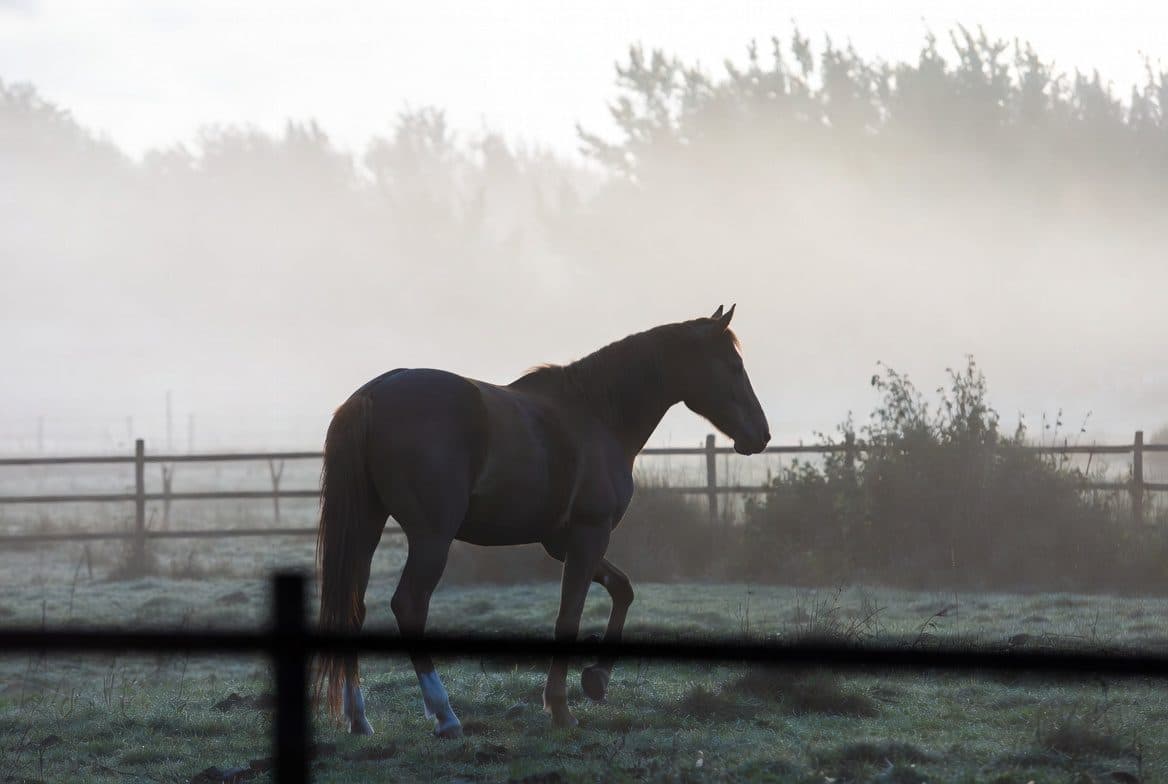
Editorial photography for atmosphere — not process documentation.
Brand film · press play & unmute
Horse Aftercare Journal: Key Concepts
Visual context for horse aftercare journal topics. Stock imagery — replace with original video content.
Large-animal logistics, capacity, trailer access, ash return, and mane/tail keepsakes.
Brand film · equine aftercare · captions available · press play · unmute for voice
This journal exists because horse owners deserve aftercare writing that matches the depth of the bond. A dressage partner of fourteen years, a therapeutic-riding horse that changed a child's life, a trail pony that carried three generations — these relationships are not captured by generic pet-loss articles with “horse” swapped into the headline. Every essay in this collection is written inside the equine lane: large-animal logistics, farm-access transport, barn community grief, ash volumes measured in pounds, and memorial patterns that fit equestrian life.
The topics here cover what horse families actually face: confirming equine chamber capacity when providers are vague, understanding why transport dominates cost, planning ash splits across family members and barn partners, asking for mane and tail keepsakes before cremation, and navigating grief when your daily routine was built around the barn. These are long-form articles — 10 to 28 minutes of reading apiece — structured as decision frameworks, not keyword stacks. None of them are pet-type word swaps published on sibling cat or dog brands. If a topic does not serve horse-specific aftercare, it stays off this journal.
Horse loss arrives in patterns owners know too well: colic emergencies at 2 a.m., catastrophic paddock injuries, sudden illness that escalates in hours. Pre-reading these articles — even bookmarking two — turns a shock spiral into a sequence of known questions. Save the transport logistics and provider-questions essays now. Your future self, on the worst day, will not have to invent a plan from a search bar.

Tack-room urns with show ribbons, pasture stones, trail-overlook benches, and split-ash plans that respect barn partnerships. Equine memorials work differently than mantel-sized cat urns.
Read essay
Chamber capacity, timeline (8–16 hours), chain-of-custody for large animals, and what ash return actually looks like when remains weigh 15–25 pounds. Concrete, not generic.
Read essay
Two equine-capable provider contacts, barn access notes, transport expectations, and cremation-type preferences saved before a crisis. Practical barn management — not morbid.
Read essay“Can any pet crematory handle a horse?”
No. Horse cremation requires large-capacity chambers rated for 800–2,000+ pounds. Always confirm equine-specific chamber capacity in writing — “we handle large animals” is not a specific answer.
“How much does equine cremation cost?”
Commonly $800–$2,500 all-in, depending on size, transport distance, and memorial add-ons. Transport is often the largest variable — get it itemized separately. Published starting figures are planning anchors, not fixed prices.
“How much ash does a horse produce?”
Typically 15–25 pounds of cremated remains. Plan multiple containers or a deliberate split before the first vessel is filled. A standard dog urn will not hold equine remains.
“What if my horse passes on the property?”
Contact equine-capable providers immediately. Keep remains cool and covered per veterinary guidance. Confirm gate width, ground conditions, and whether the transport vehicle can access your property before the truck arrives.
“Can I keep mane or tail keepsakes?”
Yes — but ask before cremation. Mane and tail braids are among the most common equine keepsake requests. Confirm the facility can set them aside cleanly and package them separately from cremation processing.
Browse our equine services tracks to compare cremation, transport, and memorial options — or use the quiz to narrow your priorities to what matters for your horse and your property.
Five things most horseguardians don't expect when arranging aftercare.
Equine cremation chambers must accommodate half-ton animals.
Standard pet pickup vehicles cannot transport horses.
Equine cremation is a multi-hour process requiring specialized equipment.
Horse remains produce significantly more ash than any other pet type.
Most equine providers come to the farm rather than requiring transport.
Anonymous poll — results shown only to you. Nothing is collected or stored.
Scroll to animate. Numbers represent publicly reported planning ranges, not quotes from any facility.
Equine cremation is a multi-hour process requiring specialized equipment.
Horse remains produce significantly more ash than any other pet type.
National planning range for equine aftercare from public survey data.
Typical service radius for equine cremation transport providers.
Horse cremation involves specialized equipment and farm-access transport — costs reflect industrial logistics.
Based on public survey data for a pony horse with private cremation.
Educational estimate only — confirm pricing with independent providers. Actual costs vary by region, facility, and services selected.
Leave your details to request guidance. Someone may follow up within 1-2 business days. We do not publish a verified local provider list, and follow-up is not guaranteed.
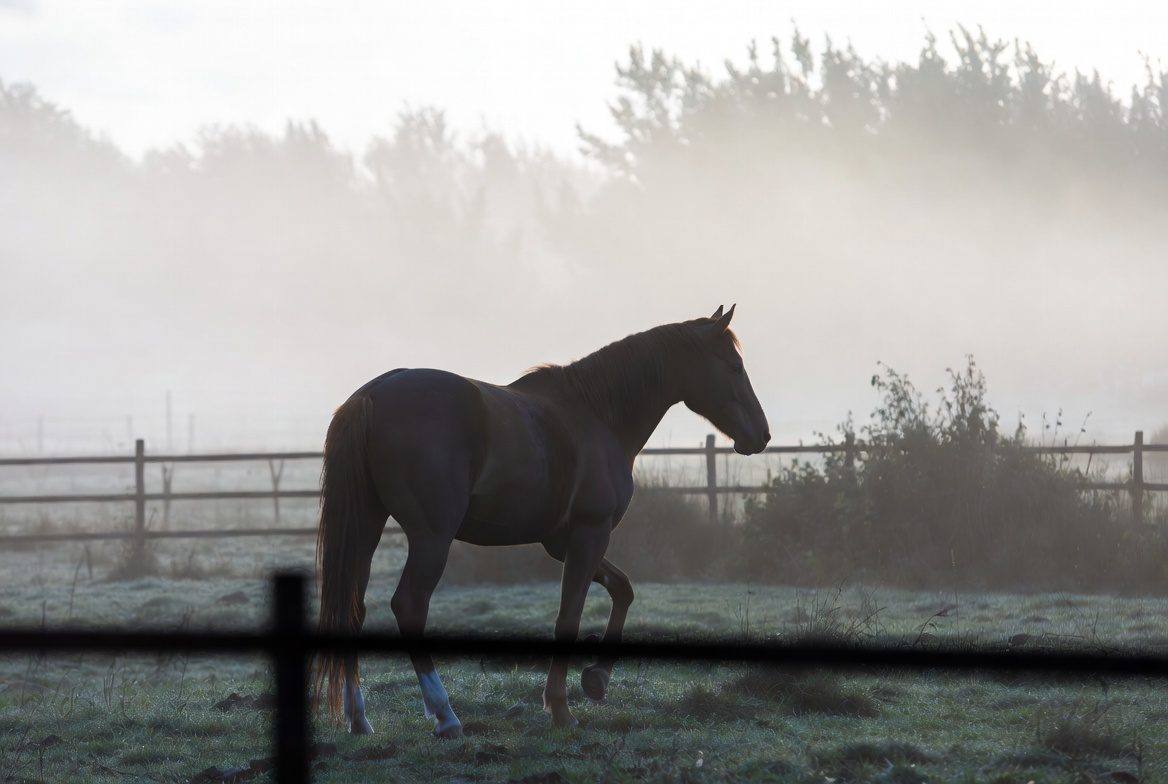
Use these guides to prepare questions about capacity, transport, and memorials. Providers determine coverage areas and pricing.
Confirm capacity, transport, and ash intent before the trailer arrives.