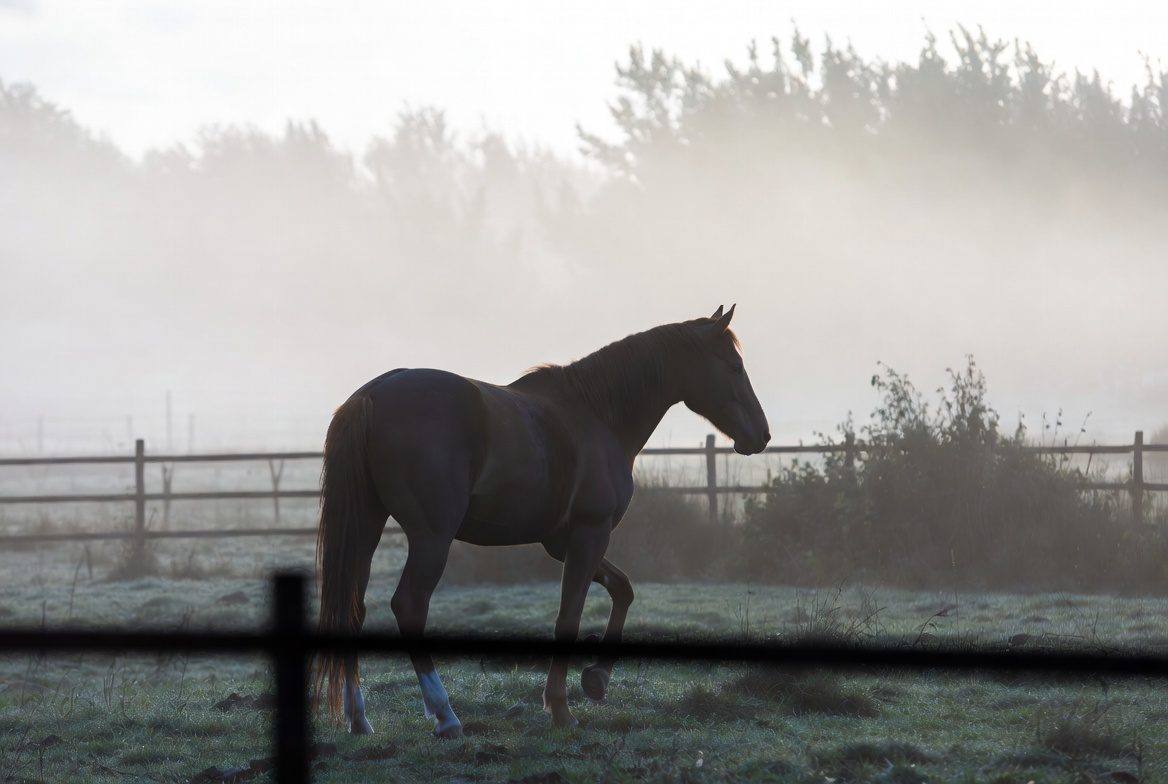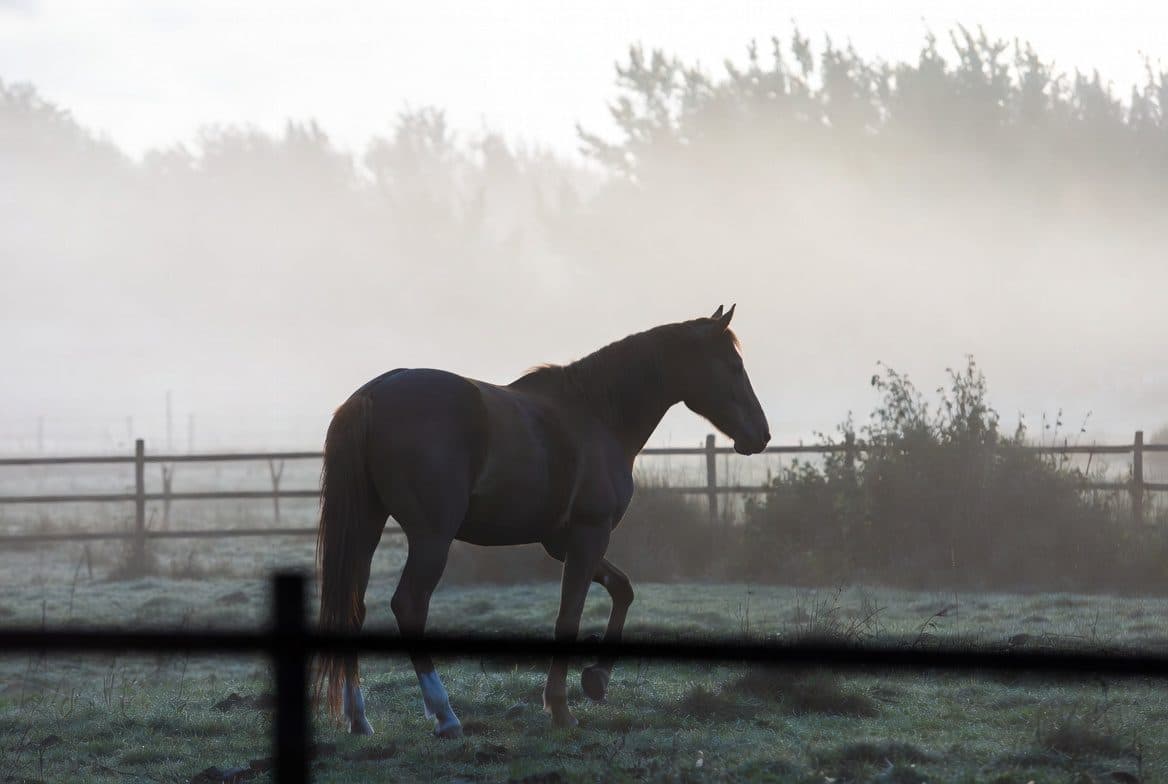
Large-animal aftercare near Omaha (Inland metro, the Great Plains) fails on capacity and transport long before it fails on urn selection.
Even around larger Omaha, equine/livestock chambers are scarce relative to companion-pet ads. Verify weight ceiling, trailer access across inland metro terrain, and whether the equine-rated crematory is on-site or a partner transfer.
Omaha functions as a state hub for Nebraska (~486,000 residents, rank #1 of 4 in this dataset). Families here more often have clinic-coordinated and dedicated-facility options within the metro — still verify the physical crematory address and tracking method.
Smaller in-state communities such as Lincoln (~291,000) often route toward Omaha. That does not mean every Omaha quote automatically includes free pickup at every suburban ZIP — ask for a written radius.
Second metro alternative: Kansas City (~266 km). Asking both keeps “local” marketing honest.
Omaha functions as its own aftercare logistics hub in Nebraska. Drive-time bands still matter inside the metro — ask for ZIP-level radius and after-hours holds, not a statewide marketing claim. An alternate larger market families sometimes compare is Kansas City (~266 km).
Seasonal timing near Omaha: January-centered cold stress (Humid Continental) is when burial and mountain/rural transfers most often slip. Ask whether ashes can be held securely until a spring gathering.
Omaha is listed in Douglas County in this dataset. County park rules, city ordinances, and private-land permissions are separate — a county-level “yes” does not cover every Omaha address or HOA lot.
Omaha functions as a regional hub for aftercare logistics in Nebraska. Confirm ZIP-level pickup radius and after-hours holding — do not assume statewide coverage from a marketing city name. Families sometimes also compare routing via Kansas City (~266 km). Nearby named peers for quote comparison: Bellevue (~11 km) and Lincoln (~81 km).
Equine Cremation Services: Equine large-animal aftercare — transport, barn/farm logistics, mane & tail memorials. Confirm farm/stable access roads, gate width, and equipment before dispatch.
Seasonal stress — heat low, cold high — changes road reliability and holding needs around 41.26°, -95.93°.
Transport money check: Timing. Emergency evening removals often cost more than scheduled daytime service.
Metro traffic and ZIP-level routing around Omaha mean pickup ETAs should be address-specific, not a generic “serves Nebraska” claim. Ask any provider whether cremation happens on-site, how pets are identified, and whether they can document chain of custody in writing.
Cold-season logistics around Omaha can delay rural/mountain transport and eliminate same-week burial. Confirm weather contingency windows before you authorize.
Oversight context: Veterinary boards regulate veterinary practices; cremation facilities may be licensed locally or operate under general business/health permits depending on the jurisdiction. Ask for written process details rather than relying on marketing labels.
Ask any provider whether cremation happens on-site, how pets are identified, and whether they can document chain of custody in writing.
Equine Cremation Services reads Omaha (the Great Plains) through a large animal lens: protect portioned ash containers, understand the large-chamber cremation run, and treat equine trailer recovery as a logistics fact — not a slogan.
Guardrails for every call: verify chamber weight ceiling; avoid no-capacity refusal mid-route; document with livestock ownership authorization; get a physical equine-rated crematory address that can serve your Omaha ZIP.
Place anchors for large animal planning in Omaha: ~486,000 residents in Nebraska (Douglas County), humid continental climate, inland metro geography, in-state rank #1/4, density mixed, drive band “self-hub,” logistics framed by primary state hub market center. Useful comparison places in-dataset: Lincoln, Bellevue.
As a larger center than Lincoln (~291,000), Omaha more often hosts facilities that smaller towns drive toward — still verify the physical crematory address. Geographic peers near Omaha: Bellevue (~11 km), Lincoln (~81 km). Compare quotes across these named markets when mileage looks inflated.
Horse cremation requires specialized large-animal facilities with chambers capable of handling animals weighing 800-2,000+ pounds. Not every cremation provider can accommodate horses, so it's important to confirm capacity before arranging service. Re-check every national average ($800-$2,500 depending on size, transport distance, and memorial options) against this Omaha address and drive band “self-hub.”
Process cue — Longer cycles, larger capacity. (Often multi-day): Equine cremation takes longer than small-pet services. Ask about timing for ash return and whether partial ash return is an option. Map that onto multi-hour chamber booking and on-property removal window under humid continental conditions.