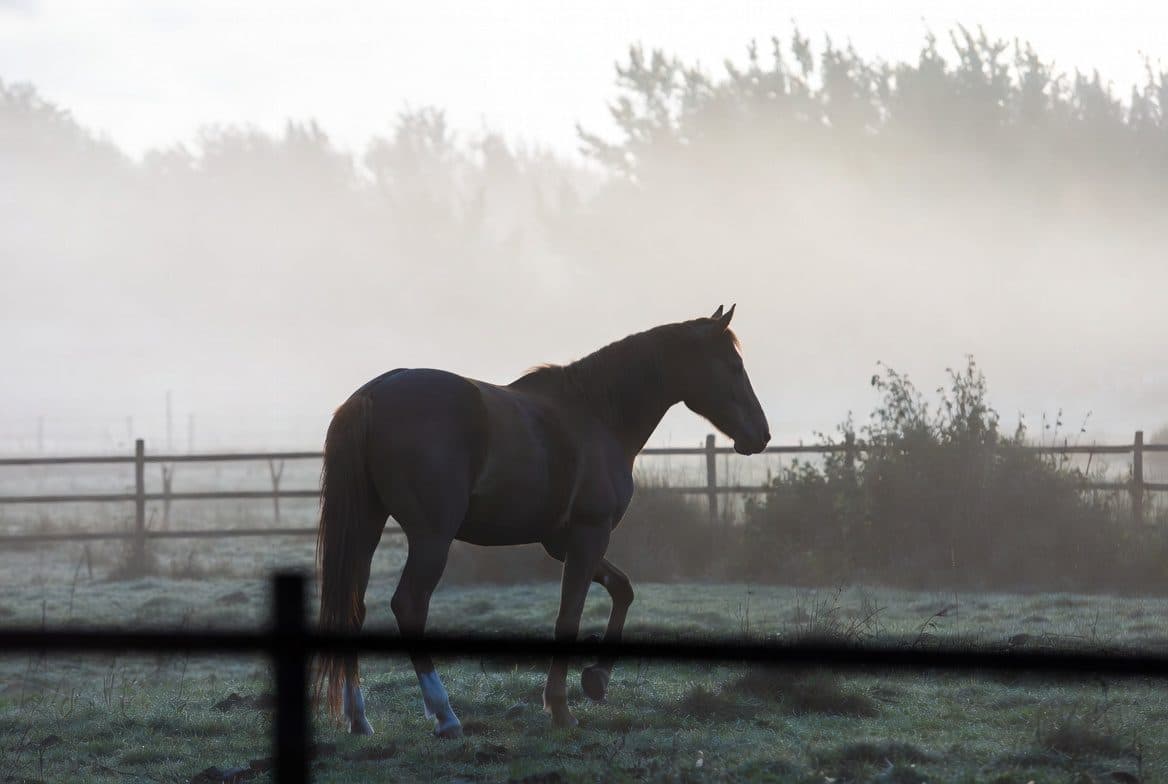
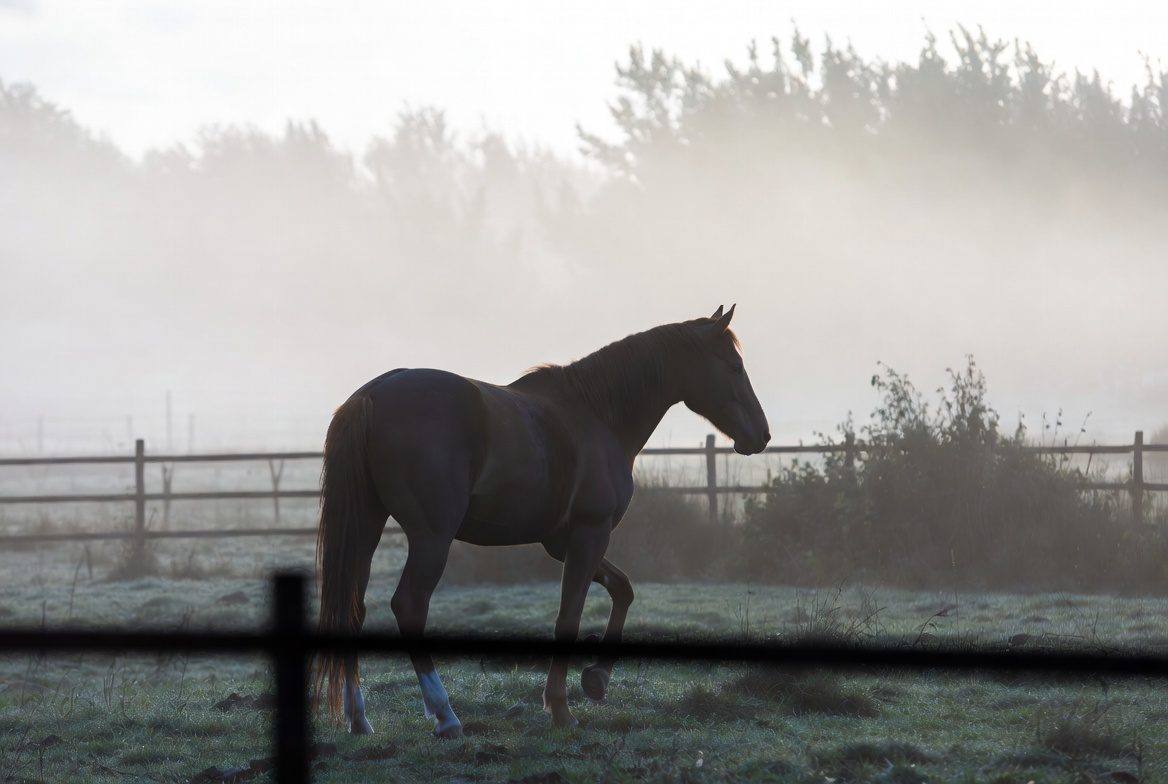
Large-animal aftercare near Boston (Coastal region, Greater Boston) fails on capacity and transport long before it fails on urn selection.
Even around larger Boston, equine/livestock chambers are scarce relative to companion-pet ads. Verify weight ceiling, trailer access across coastal region terrain, and whether the equine-rated crematory is on-site or a partner transfer.
Boston functions as a state hub for Massachusetts (~675,000 residents, rank #1 of 11 in this dataset). Families here more often have clinic-coordinated and dedicated-facility options within the metro — still verify the physical crematory address and tracking method.
Smaller in-state communities such as Worcester (~206,000) often route toward Boston. That does not mean every Boston quote automatically includes free pickup at every suburban ZIP — ask for a written radius.
Second metro alternative: New York City (~306 km). Asking both keeps “local” marketing honest.
Boston functions as its own aftercare logistics hub in Massachusetts. Drive-time bands still matter inside the metro — ask for ZIP-level radius and after-hours holds, not a statewide marketing claim. An alternate larger market families sometimes compare is New York City (~306 km).
Seasonal timing near Boston: January-centered cold stress (Humid Continental) is when burial and mountain/rural transfers most often slip. Ask whether ashes can be held securely until a spring gathering.
Boston is listed in Suffolk County in this dataset. County park rules, city ordinances, and private-land permissions are separate — a county-level “yes” does not cover every Boston address or HOA lot.
Boston hosts or immediately adjoins a major commercial airport market — that can speed ash return shipping logistics, but it does not mean cremation occurs at the airport. Still verify the physical crematory address.
Boston Common & Public Garden / Arnold Arboretum are memory anchors, not chamber addresses. Capacity still routes by primary state hub market center.
Boston cremation costs are among the highest in the nation, reflecting the city's extreme cost of living. Private cremation services typically range from $275 to $600+, with Cambridge and downtown Boston facilities commanding premium rates. Large-animal transport is usually additive.
Equine Cremation Services: Equine large-animal aftercare — transport, barn/farm logistics, mane & tail memorials. Confirm farm/stable access roads, gate width, and equipment before dispatch.
Seasonal stress — heat low, cold high — changes road reliability and holding needs around 42.36°, -71.06°.
Transport money check: Distance & access. Miles, road quality, and crew size change transport pricing fast.
Confirm whether a North Shore / South Shore / Metro West address falls inside a free-pickup radius.
Cold-season logistics around Boston can delay rural/mountain transport and eliminate same-week burial. Confirm weather contingency windows before you authorize.
Equine Cremation Services reads Boston (Greater Boston) through a large animal lens: protect portioned ash containers, understand the large-chamber cremation run, and treat equine trailer recovery as a logistics fact — not a slogan.
Guardrails for every call: verify chamber weight ceiling; avoid no-capacity refusal mid-route; document with livestock ownership authorization; get a physical equine-rated crematory address that can serve your Boston ZIP.
Place anchors for large animal planning in Boston: ~675,000 residents in Massachusetts (Suffolk County), humid continental climate, coastal region geography, in-state rank #1/11, density hyperdense, drive band “self-hub,” logistics framed by primary state hub market center. Useful comparison places in-dataset: Worcester, Cambridge, Brookline.
As a larger center than Worcester (~206,000), Boston more often hosts facilities that smaller towns drive toward — still verify the physical crematory address. Geographic peers near Boston: Cambridge (~4 km), Brookline (~6 km), Newton (~13 km). Compare quotes across these named markets when mileage looks inflated.
Transportation is a significant consideration for equine aftercare. Specialized transport vehicles are required, and distance to the nearest equine-capable facility may be substantial. Some providers offer statewide or regional pickup; others require you to arrange transport. Re-check every national average ($800-$2,500 depending on size, transport distance, and memorial options) against this Boston address and drive band “self-hub.”
Process cue — Farm call or arranged haul-in. (Hours–next day): Specialized vehicles and handlers are typical. Ask about biosecurity, paperwork, and what you should prepare on site. Map that onto multi-hour chamber booking and on-property removal window under humid continental conditions.